

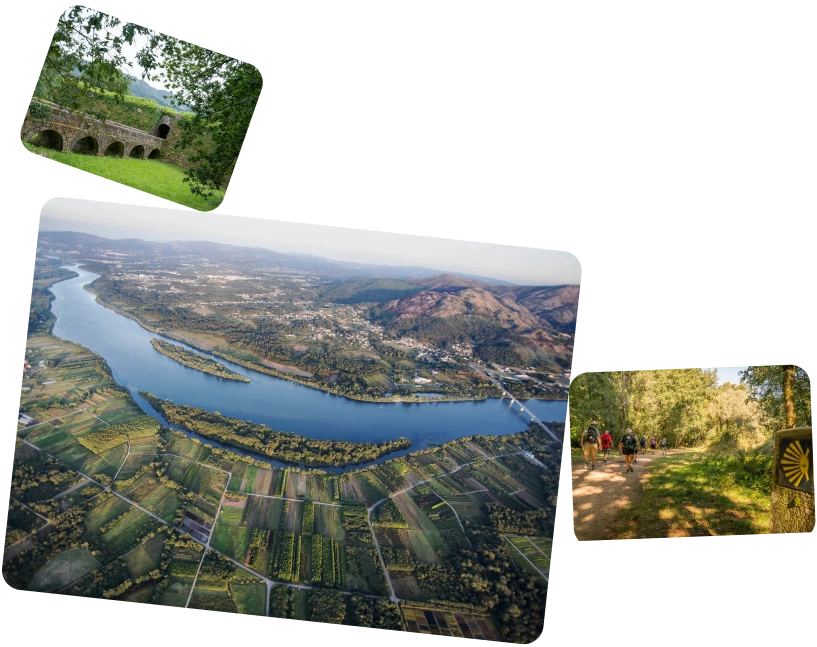
The Minho River is much more than a waterway separating two countries—it is a bond that, over the centuries, has shaped the life, culture, and traditions of the communities that inhabit its margins. Since ancient times, this territory has been the scene of encounters, exchanges, and coexistence, leaving a rich and diverse legacy that continues to this day.
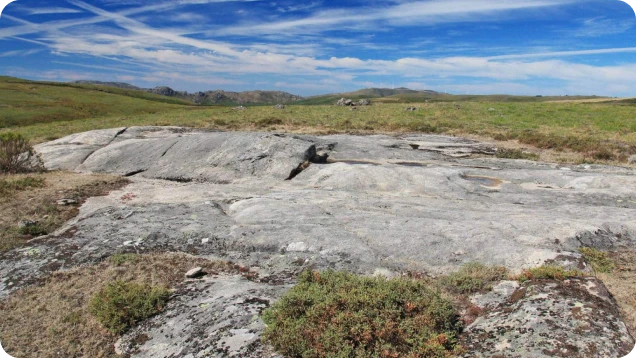
Human presence in the Minho Valley dates back to prehistoric times, as evidenced by the numerous hill forts, dolmens, and archaeological remains scattered throughout the region. Later, Romans and Suevi peoples took advantage of the river as a natural route for travel and trade. During the Middle Ages, the Minho assumed a strategic role, both as a political border between kingdoms and as a space for cultural contact, and today it is a symbol of the brotherhood between Portugal and Galicia.
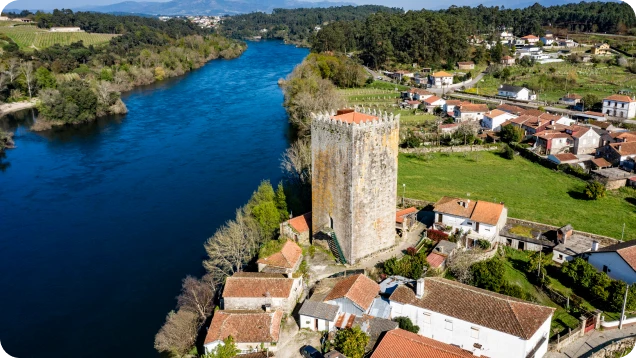
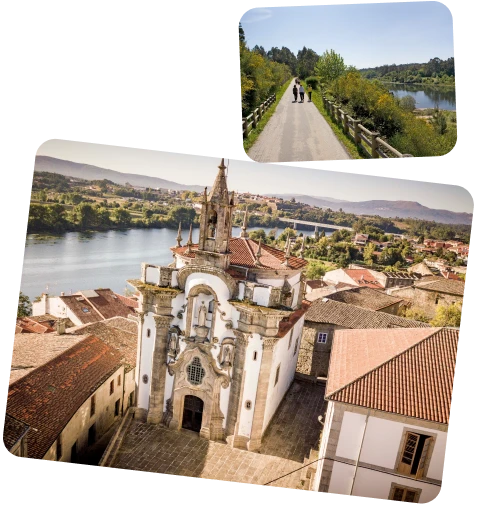
Along its shores, we find cities and towns with a strong heritage identity: walls, Romanesque and Gothic churches, centuries-old bridges, manor houses, and stately homes that tell the story of the people of the river.
From the medieval castle of Melgaço, through the walls of Valença or the monumentality of Tui, to the coastal fortresses of Caminha and A Guarda, the territory presents a unique architectural ensemble, testimony to the geostrategic importance of the Minho.
The culture of Minho and Galicia is deeply linked to the river. Pilgrimages and popular festivals, such as the “Festa da Coca” in Monção or the “Festas do Monte” in A Guarda, reveal centuries-old traditions passed down from generation to generation. Traditional music, folk dances, and typical costumes reflect the cultural identity of this region, which is also marked by local crafts and strong connections to fishing and agriculture.

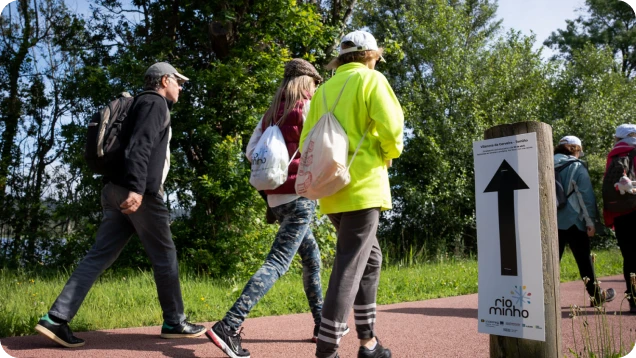
The Minho River is a cross-border territory where the cultural similarities between Galicians and Minho residents transcend borders. The language, customs, cuisine, and way of life share common roots, creating a unique identity. The river, which throughout history has been a symbol of division, is today above all a space for unity, cooperation, and joint appreciation of tangible and intangible heritage.