
The Minho River territory is composed of various towns and villages, each with its own charm, heritage, and secrets. From picturesque riverside villages to historic cities, every point of interest offers authentic experiences, from traditional architecture to popular festivals.
Explore each municipality and parish and discover curiosities that make every place unique.
Arcos de Valdevez reveals preserved nature inviting walks through rivers, mountains, and typical villages. The region offers hiking trails, mountain biking, canoeing, and other outdoor activities, ideal for exploring the surrounding landscape. Local gastronomy, with traditional dishes and regional products, complements the experience, allowing visitors to discover authentic Minho flavors. Villages and parishes maintain cultural traditions, such as festivals, crafts, and popular celebrations, making Arcos de Valdevez a destination that uniquely combines nature, leisure, and cultural identity.
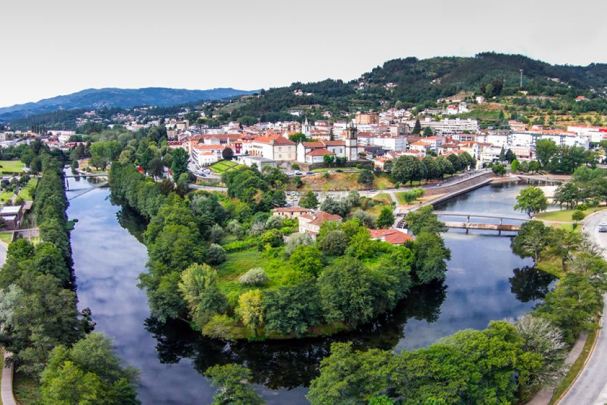
At the Minho estuary, Caminha blends serene beaches with historic streets and a unique riverside charm. The town invites visitors to explore its old center, visit churches and viewpoints, and enjoy local gastronomy. Its proximity to both the river and the sea gives it a special tranquil atmosphere, and it is known as an important stage of the Portuguese Coastal Way to Santiago.
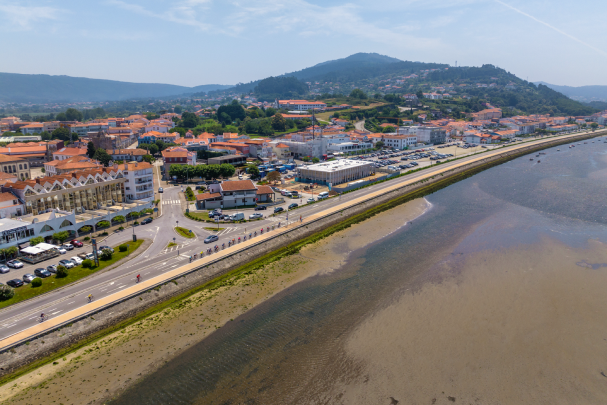
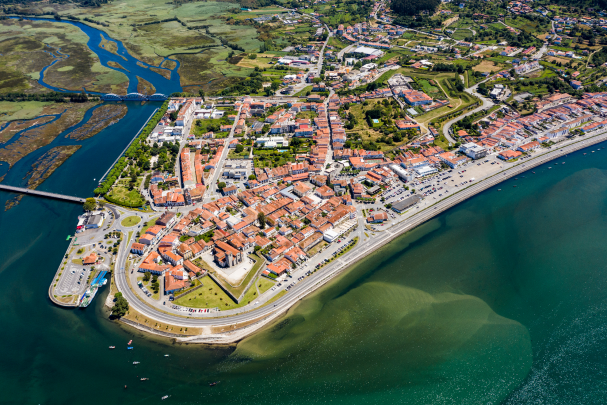
At Portugal’s northernmost tip, Melgaço combines medieval castles, the famous Alvarinho wine, and preserved natural trails. Located within the Peneda-Gerês National Park, the municipality is notable for the unique Castro Laboreiro settlement and river and mountain landscapes that invite ecotourism and adventure sports such as rafting, canyoning, and mountain biking. The region is also known for its lamprey fishing, reflecting a unique gastronomic tradition. The town keeps Minho traditions alive through festivals, local gastronomy, and a strong cultural identity.
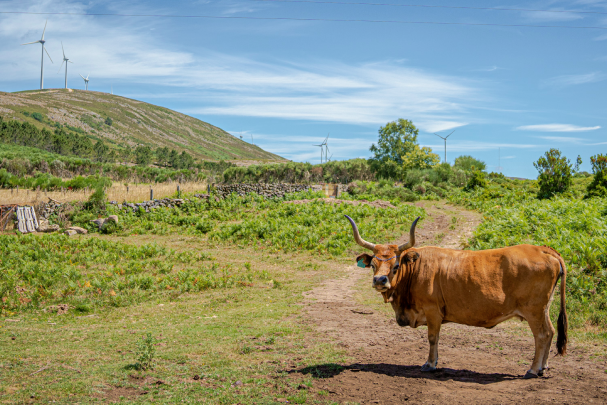
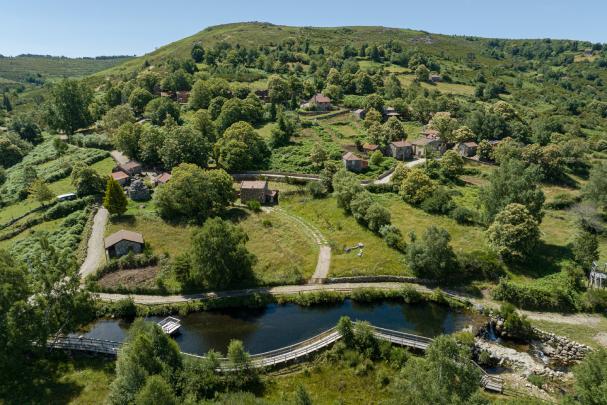
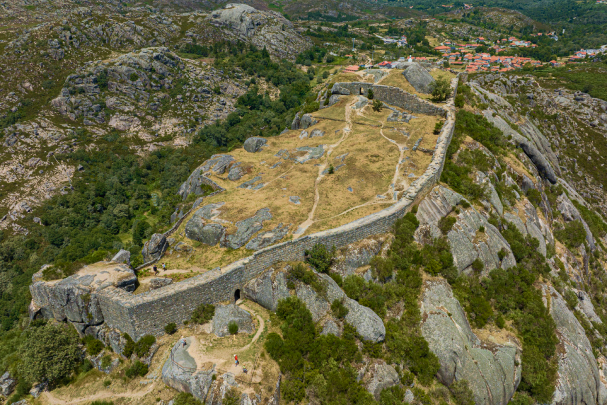
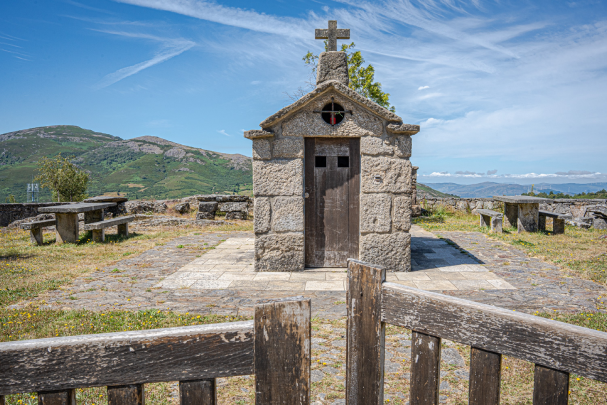
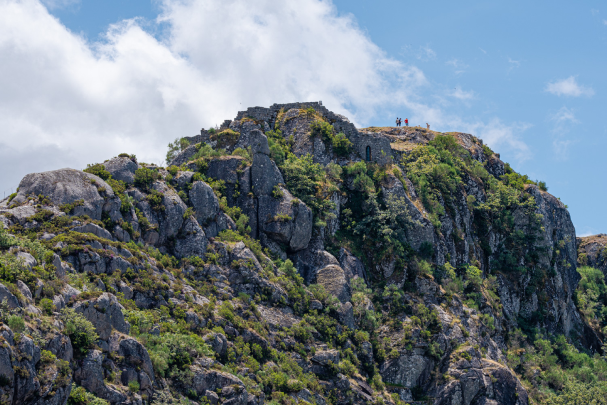
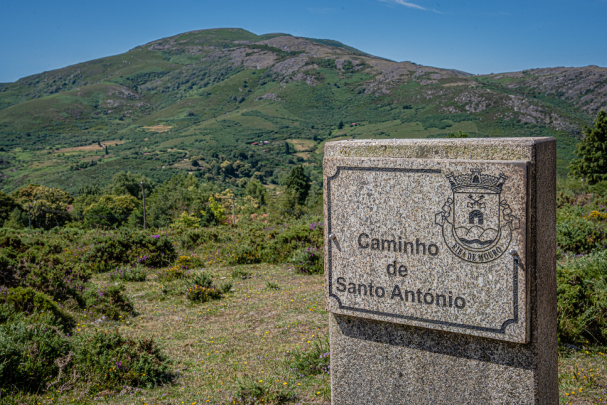
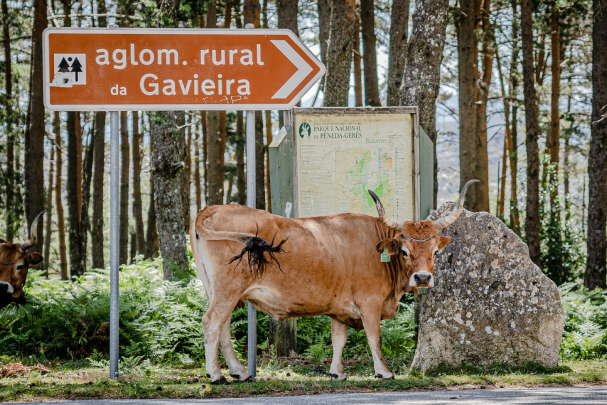
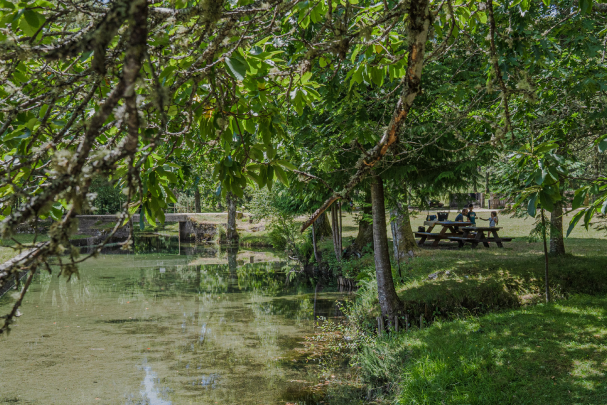
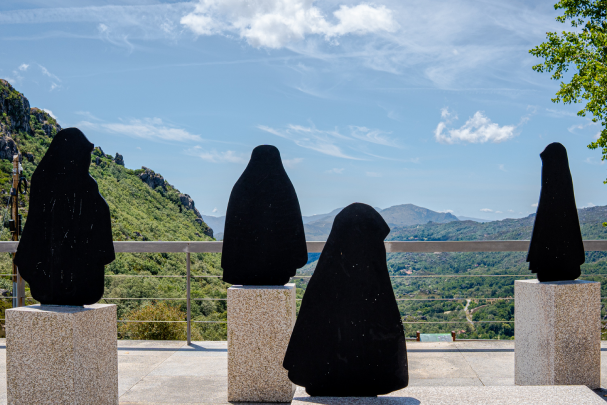
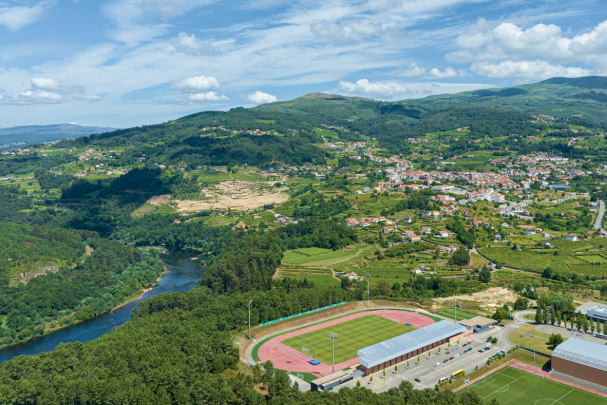
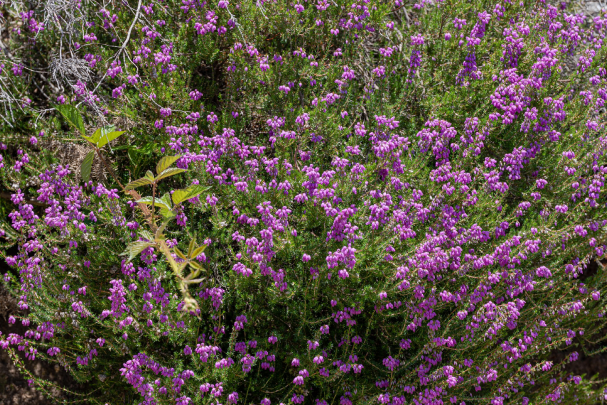
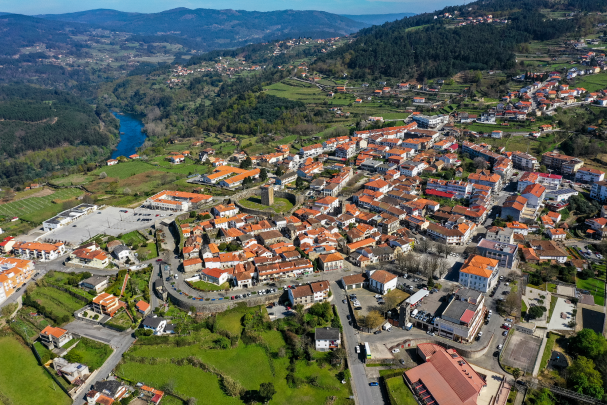
Monção stands out for Alvarinho wine, which finds one of its best expressions here. The prestigious Alvarinho Fair celebrates this unique wine, attracting visitors from across the region for an authentic experience. The town preserves narrow streets, walls, and historic monuments, while the Minho River offers serene landscapes and outdoor activities. Local tradition is alive in the Festa da Coca, a unique popular celebration, and in lamprey fishing, reflecting the cultural and gastronomic importance of this fish.
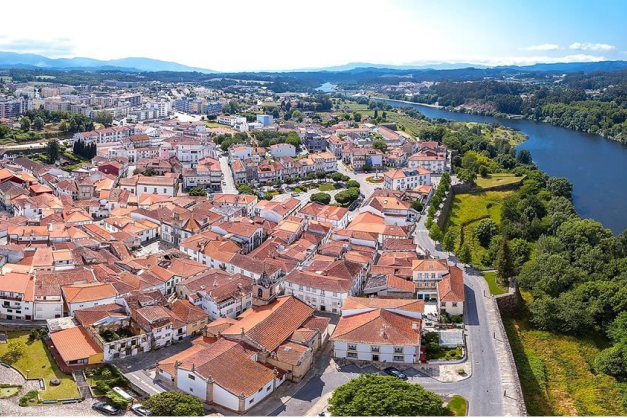
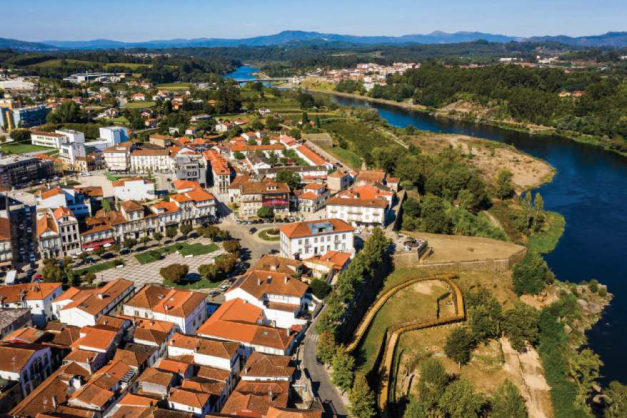
Nestled between green valleys and the Coura River, Paredes de Coura is known for outdoor sports, cultural festivals, and the natural beauty of the area. Rural villages preserve centuries-old traditions, and visitors can explore trails, rivers, and recreational areas. The town offers a complete experience, combining nature, culture, and leisure activities.
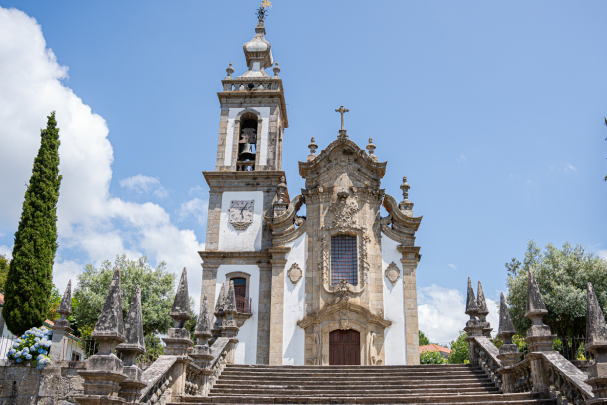
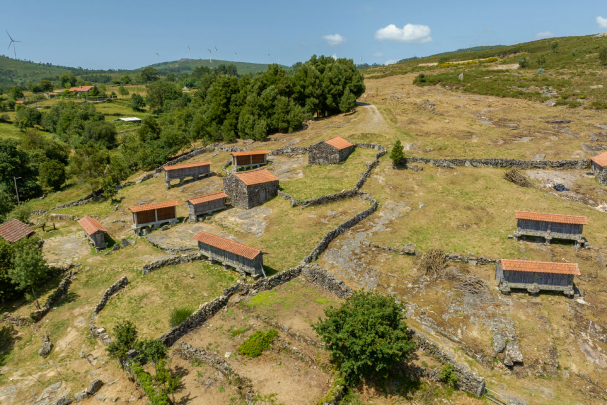
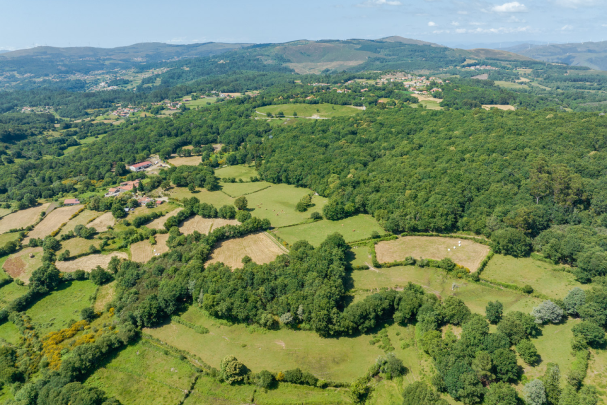
On the banks of the Lima River, Ponte da Barca combines historic bridges and picturesque villages. It is known for its riverside landscapes and mountain trails, offering ecotourism experiences and contact with Minho traditions.
The town also hosts the Romaria de São Bartolomeu, a centenary festival likely originating between the late 19th and early 20th centuries, initially with a religious component, gradually enriched with fairs, parades, historical processions, river serenades, and popular activities that attract visitors from across the region.
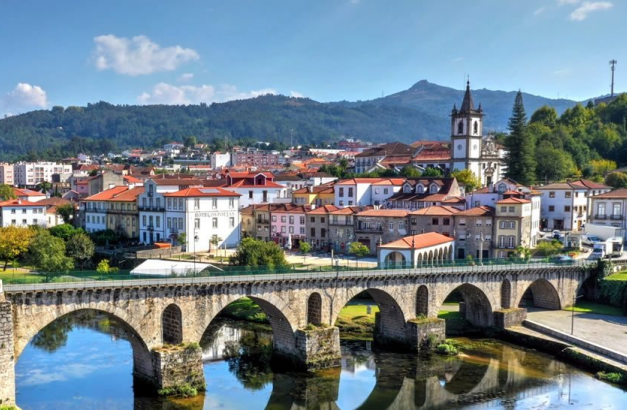
Considered the oldest town in Portugal, Ponte de Lima dates to Roman times and is famous for its historic market and ancient bridges. At the biweekly market, visitors can find local products, crafts, and typical Minho flavors, with the traditional Sarrabulho dish being a gastronomic highlight.
The town hosts landmark events such as the International Garden Festival, transforming urban and green spaces into works of art, and the Feiras Novas, a popular celebration combining traditional music and gastronomy, attracting visitors from across the region. Ponte de Lima also offers hiking trails, cycling paths, and river activities, allowing close contact with nature and local traditions, making it a destination where history, culture, and leisure unite uniquely.
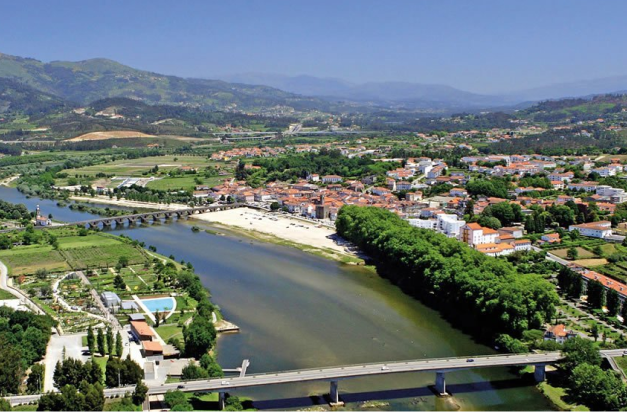
Valença stands out for its imposing historical walls and medieval streets that preserve the town’s authenticity. Commerce and culture coexist harmoniously, with markets, squares, and viewpoints offering unique experiences to residents and visitors. The Wednesday markets keep local tradition alive, showcasing regional products and traditional crafts.
The town maintains a strong cross-border connection with Tui, Galicia, creating a territory linked by the Minho River, where history, tradition, and modernity meet. Valença is thus a destination combining commerce, culture, and stunning landscapes, offering authentic experiences of the Minho region.
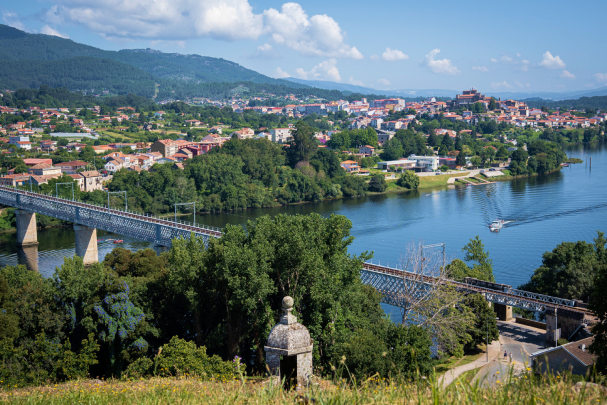

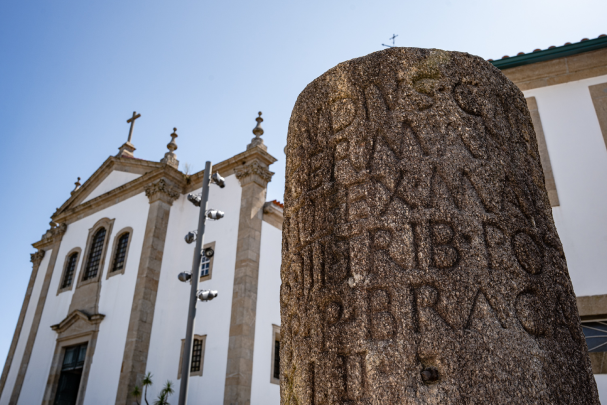


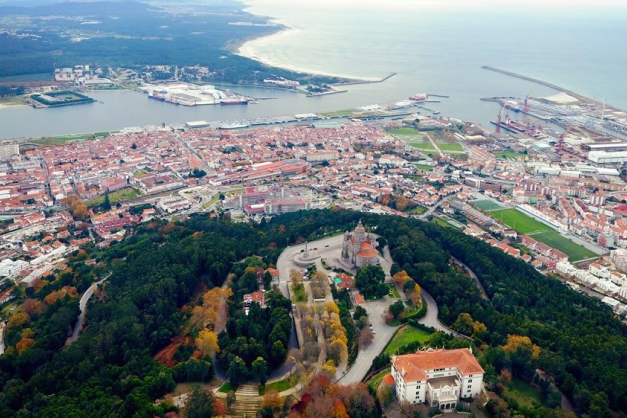
Viana do Castelo combines beaches, river, and a vibrant historic center. The city is famous for the Romaria de Nossa Senhora da Agonia, one of the largest and most emblematic festivals in northern Portugal, bringing together tradition, folklore, music, and gastronomy. It is also renowned for its gold filigree craftsmanship, a symbol of local cultural identity, and its historic monuments, such as the Sanctuary of Santa Luzia, from where visitors can enjoy panoramic views over the city, the Lima River, and the Atlantic Ocean, offering ideal settings for walks and photography.
On the banks of the Minho River, Vila Nova de Cerveira blends history, nature, and a strong presence of contemporary art, visible both in public spaces and major events, including the The Cerveira International Art Biennial. The castle, streets, and squares reflect tradition and creativity, while the river provides natural settings ideal for leisure. The town is a unique meeting point between culture, history, and landscape, where art integrates into the daily life of residents and visitors.
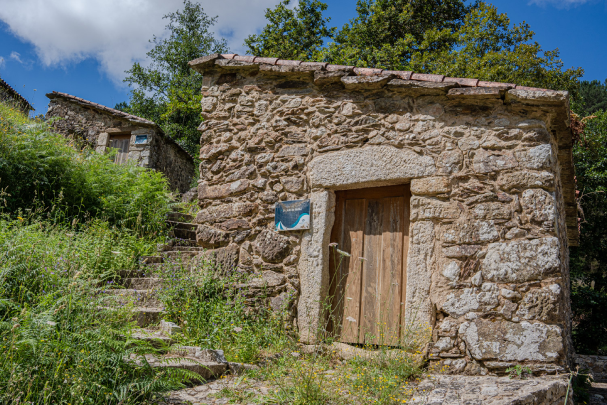
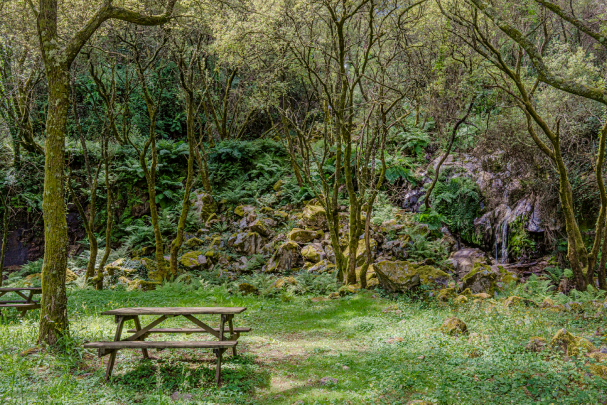
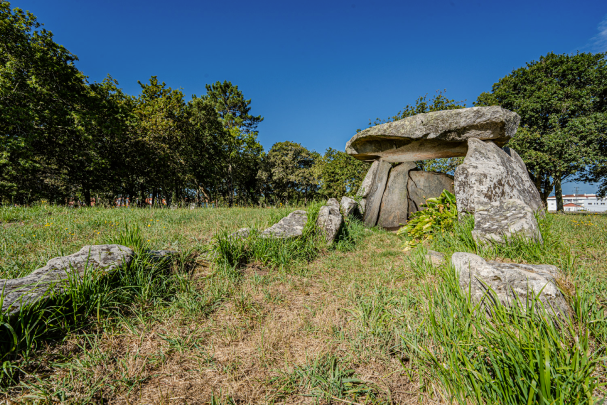
Arbo is famous for lamprey, a symbol of the municipality even present on its coat of arms. This unique product is celebrated with tourism-focused festivals, such as the Lamprey Festival in spring and the Dry Lamprey Festival in summer. Local restaurants offer various preparations of this delicacy, known throughout the Euroregion. Arbo preserves its connection to traditions, values gastronomy and wine, and invites visitors to discover the authenticity of the region through its nature, villages, and cultural heritage.
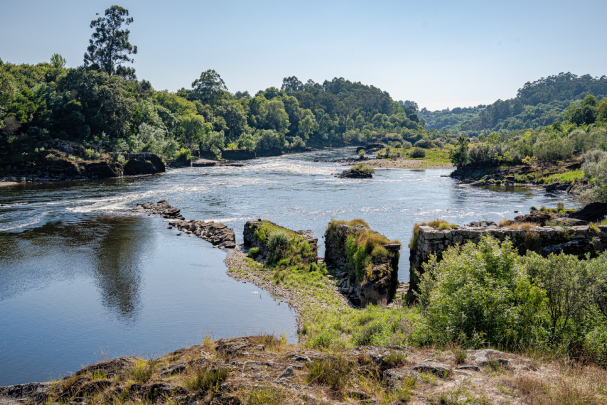
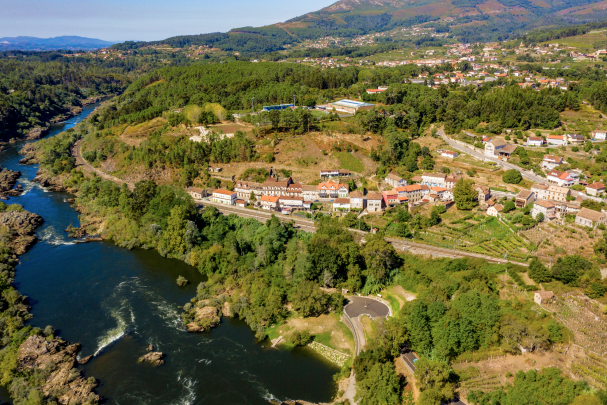
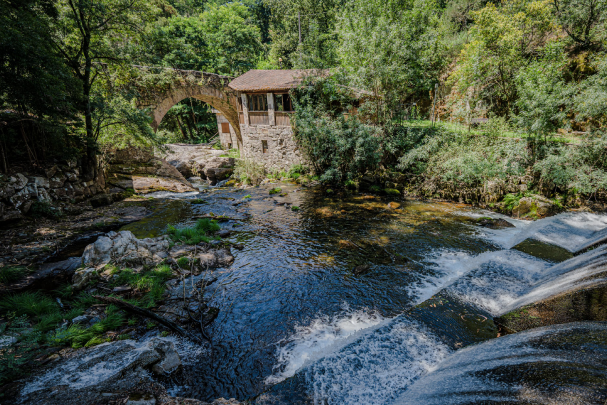
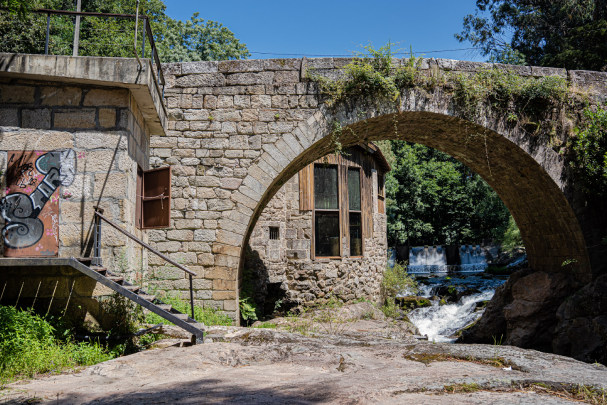
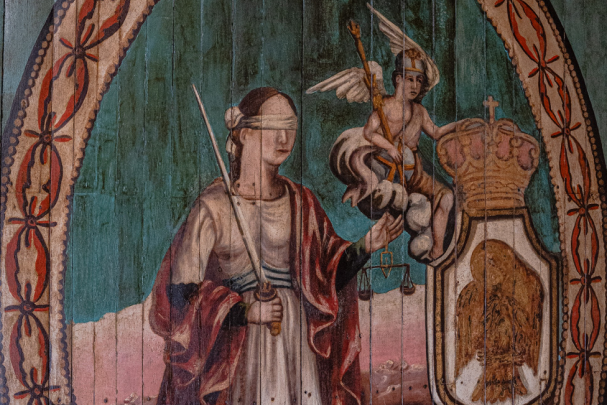
A Cañiza reveals natural trails, clear rivers, and villages that preserve centuries-old customs. It is recognized throughout Galicia for its ham, celebrated at the famous Feira do Xamón, a tourist attraction that draws visitors every year. The region combines tradition, nature, and gastronomy, making it an ideal destination for those who enjoy hiking, authentic flavors, and living cultural experiences.
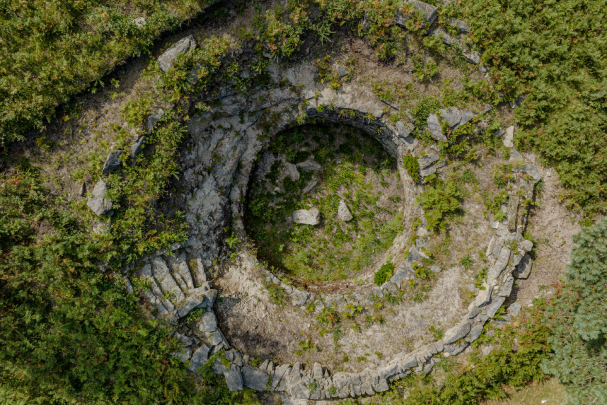
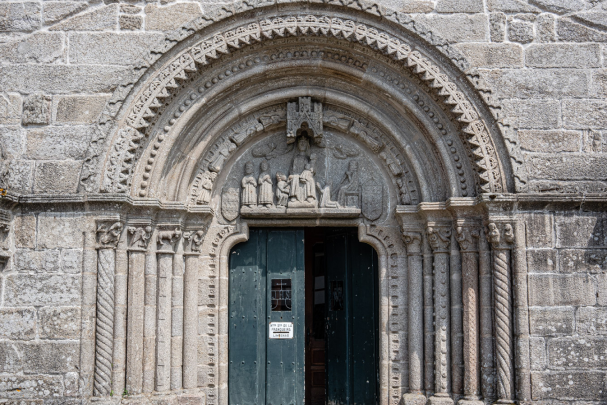
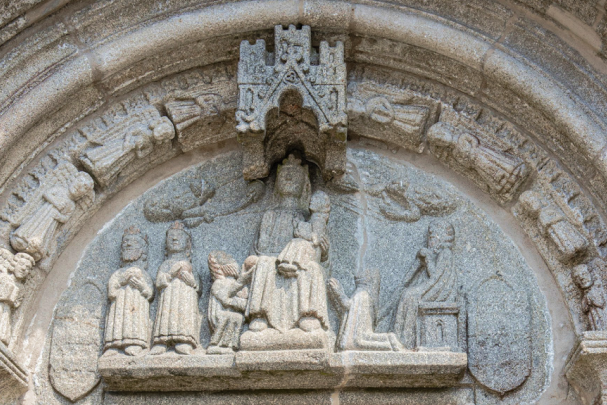
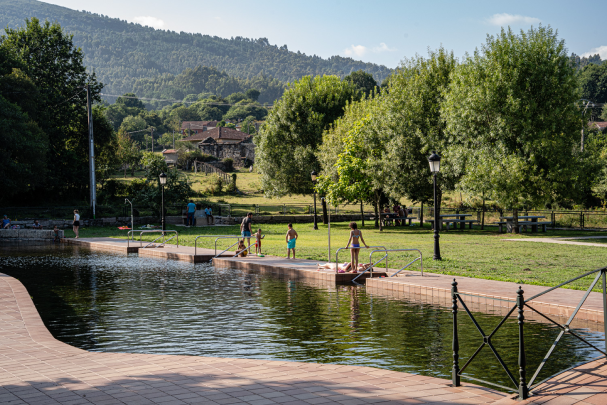
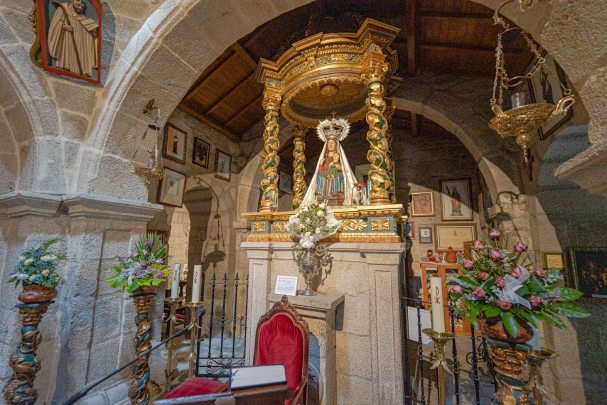
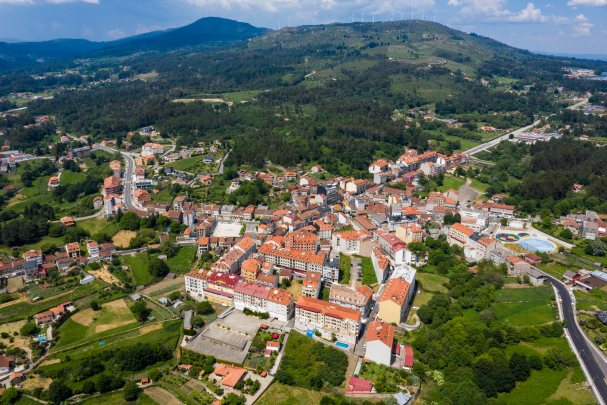
O Covelo stands out for its rural landscapes and local gastronomy. Among typical villages, rivers, and nature trails, the region offers a peaceful and authentic environment, ideal for those seeking tradition, outdoor leisure, and genuine experiences of the true Minho region.
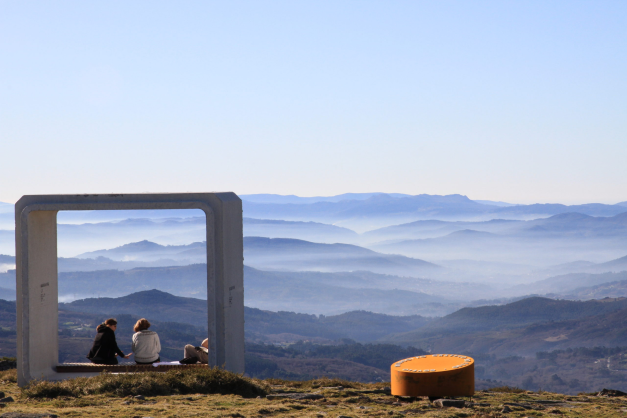
Crecente preserves the essence of rural Galicia, with picturesque villages, green hills, and centuries-old traditions. Visitors can explore trails, rivers, and small villages, discovering the architectural and cultural heritage of the region. The area invites relaxation and immersion in a preserved landscape, away from mass tourism.
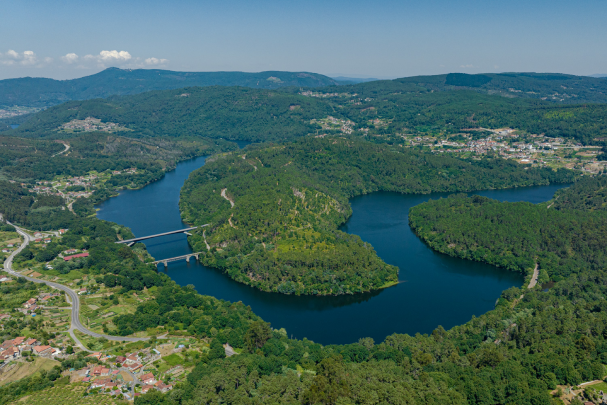
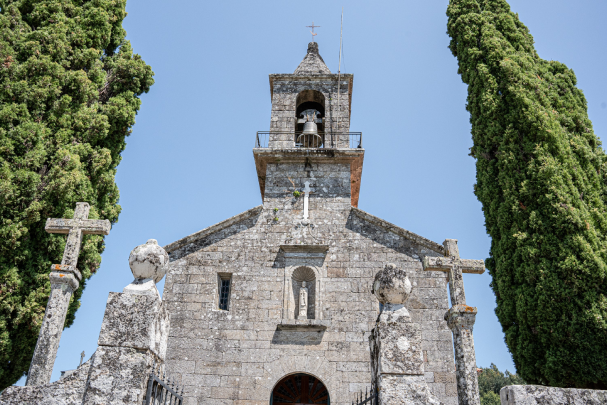
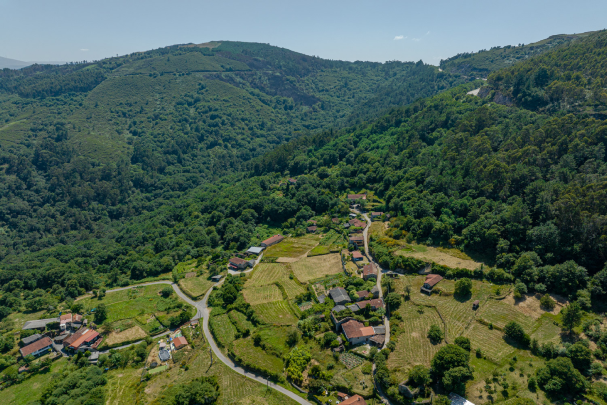
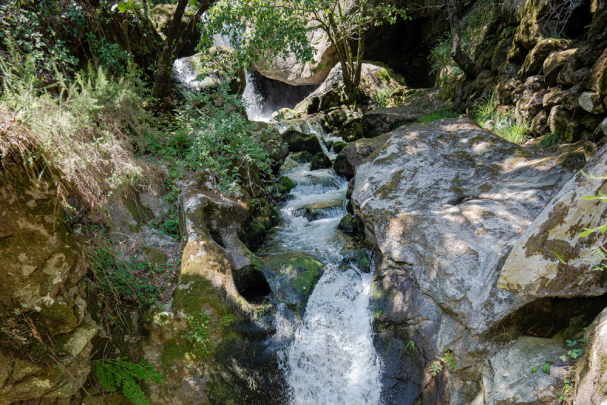
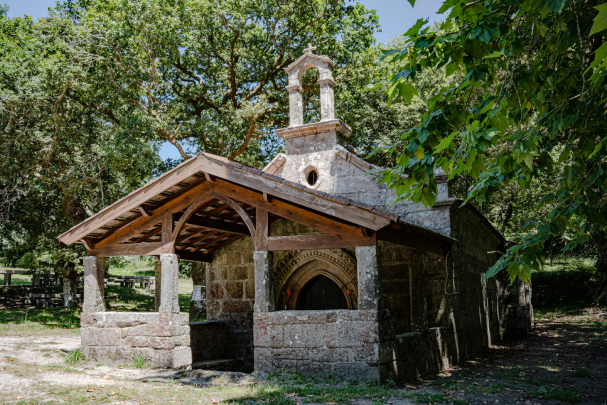
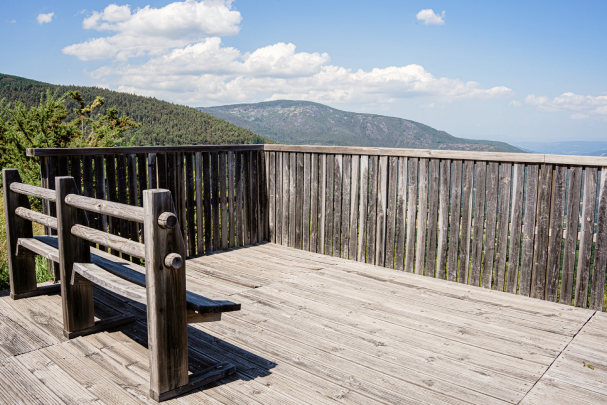
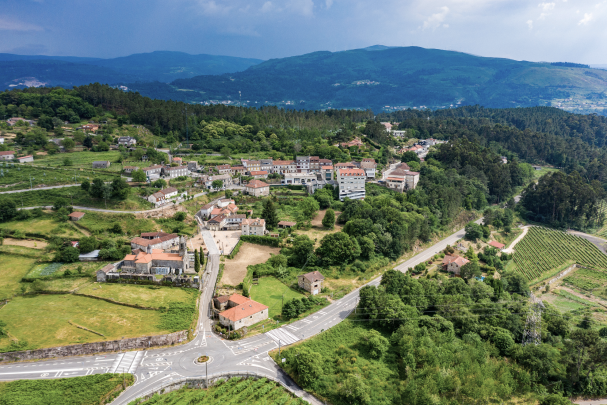
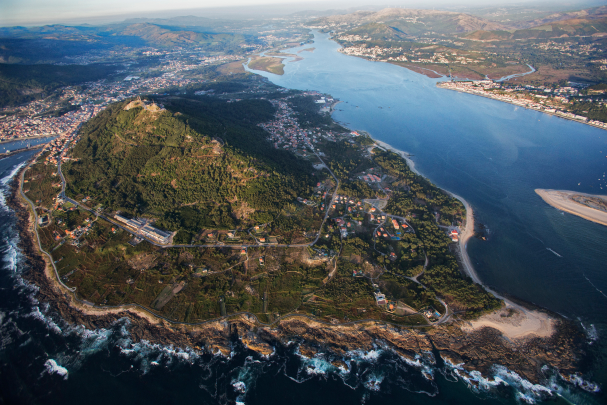
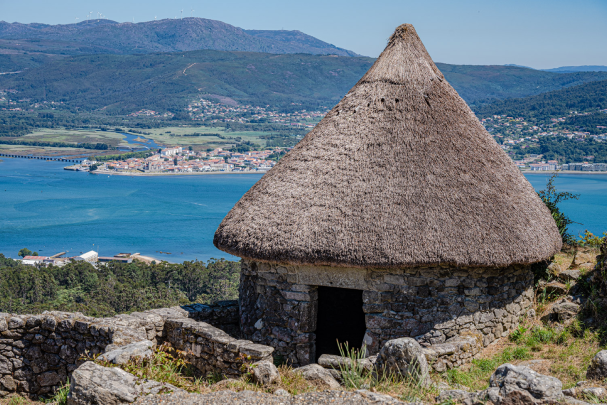
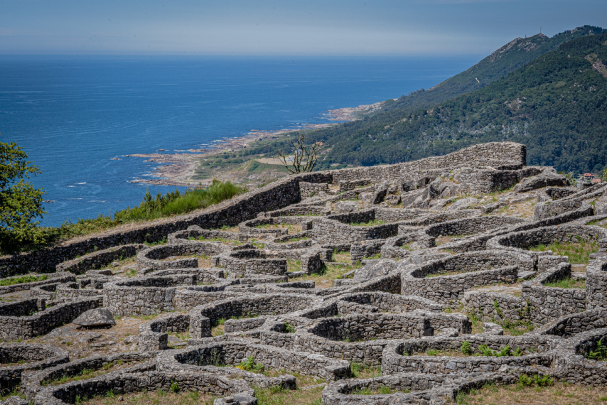
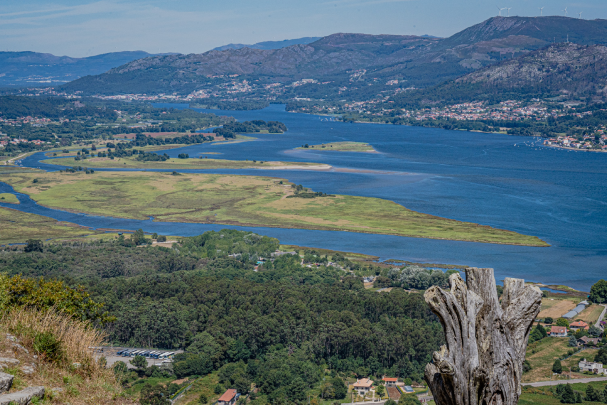
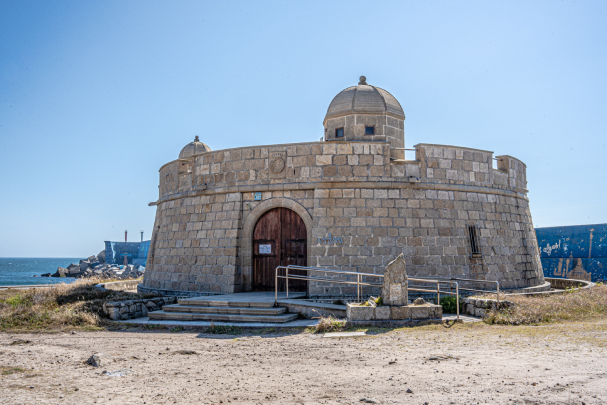
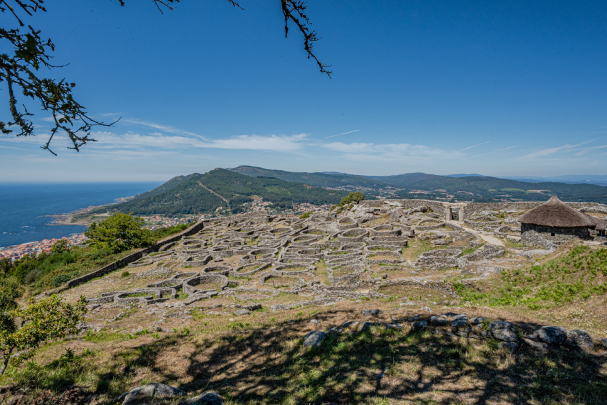
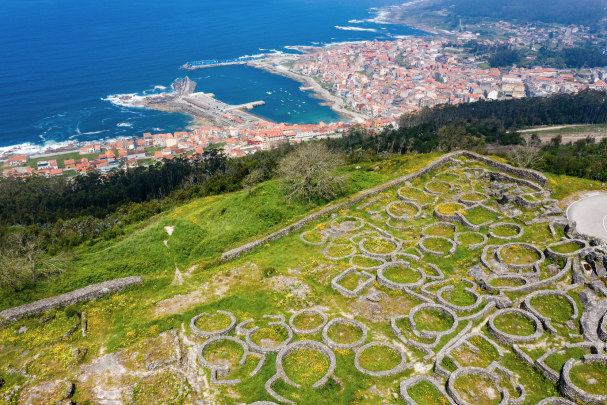
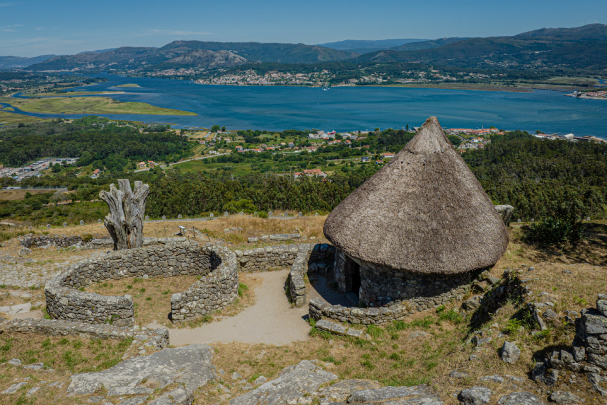
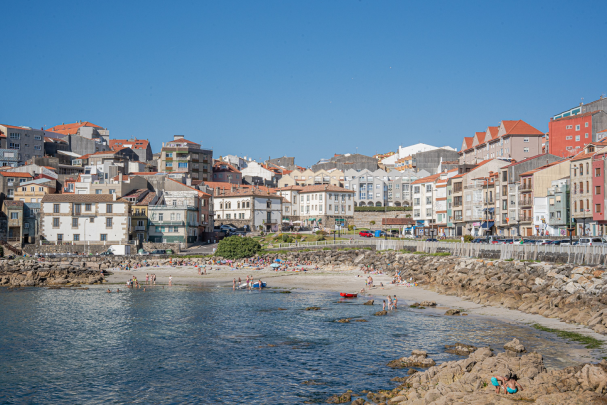
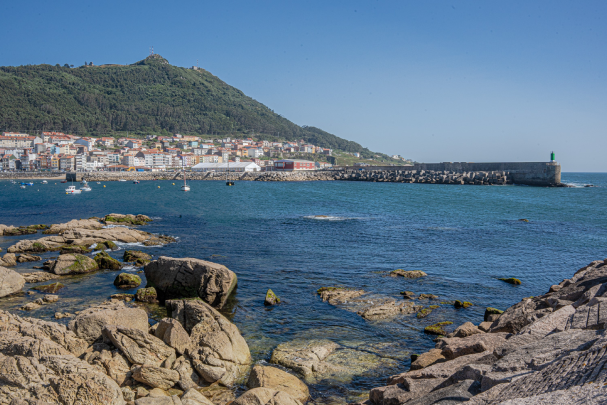
At the point where the Atlantic meets the Minho River, A Guarda impresses with its fishing port, sandy beaches, and the majestic Santa Trega hill. It is a place where history, nature, and tradition meet, offering viewpoints, walking trails, and accessible beaches. The town keeps its cultural traditions alive with local festivals celebrating Galician music and gastronomy.
O Covelo stands out for its rural landscapes and local gastronomy. Among typical villages, rivers, and nature trails, the region offers a peaceful and authentic environment, ideal for those seeking tradition, outdoor leisure, and genuine experiences of the true Minho region.
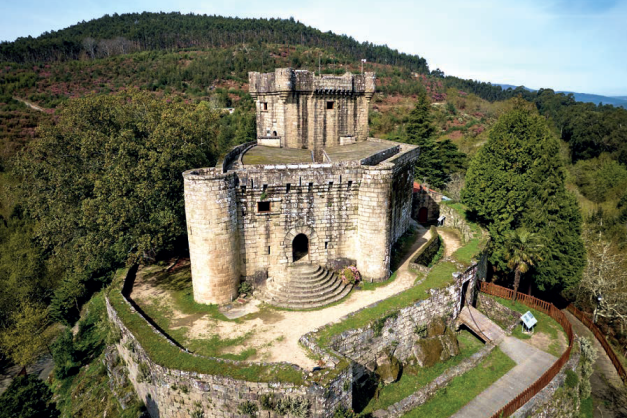
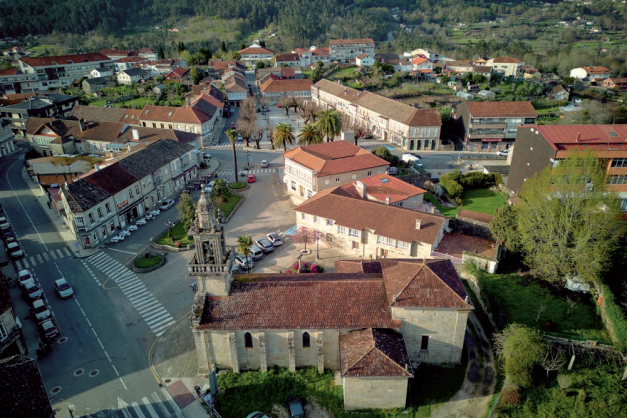
Mondariz-Balneario is recognized across Europe for its historic thermal spa, attracting visitors since the 19th century. This tiny municipality of 2.4 km², the smallest in Spain, features emblematic gardens, monuments, and the ruins of the former Gran Hotel, which hosted illustrious figures such as Rockefeller, Primo de Rivera, and Infanta Isabel de Borbón.

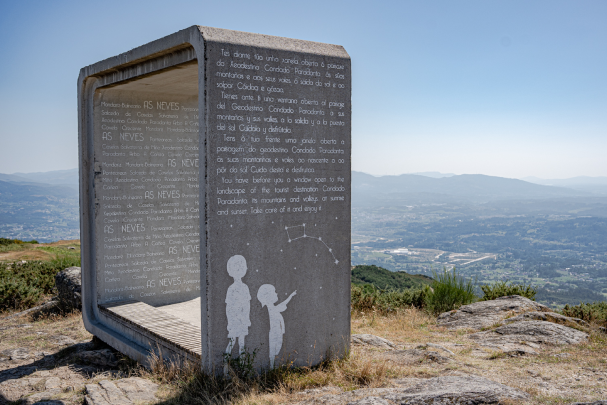
As Neves stands out for the fusion of traditional architecture with lush natural landscapes. The region is famous for the red wines of the Condado subzone, recognized for their quality and centuries-old tradition, complementing the local gastronomic richness. Beyond wine tourism, As Neves offers ecotourism routes and close contact with the fauna and flora of inland Galicia. The villages keep rural traditions alive, including the unique Romaria de Santa Marta de Ribarteme, popularly known as the coffin festival, which attracts visitors from across the country and offers a unique and unforgettable cultural experience.
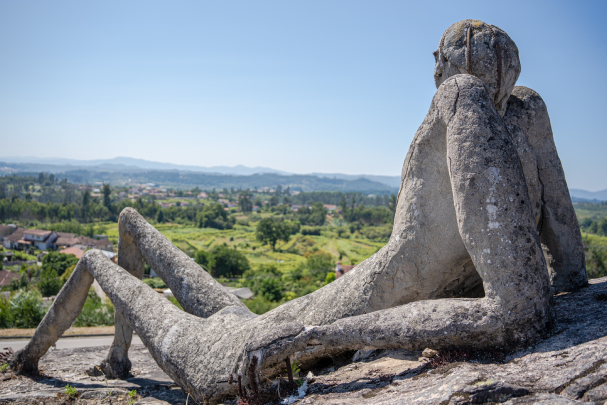
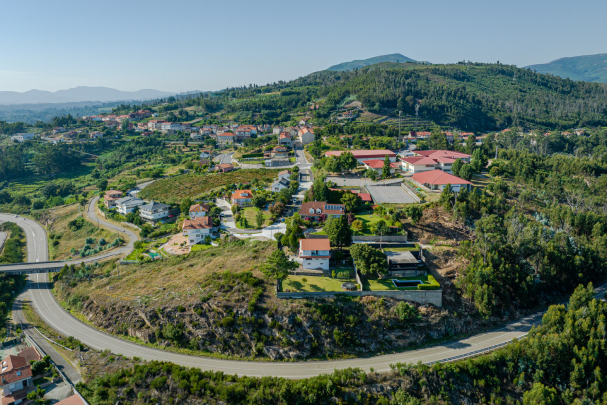
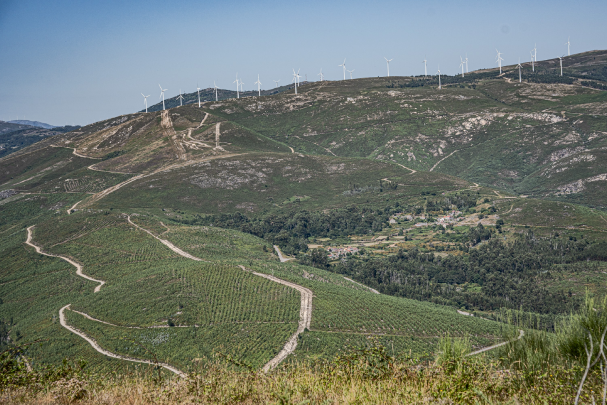
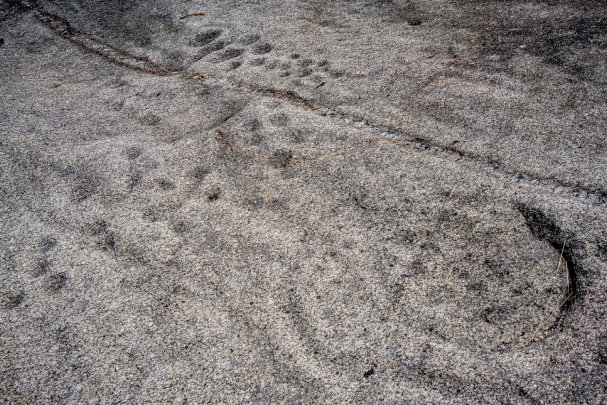
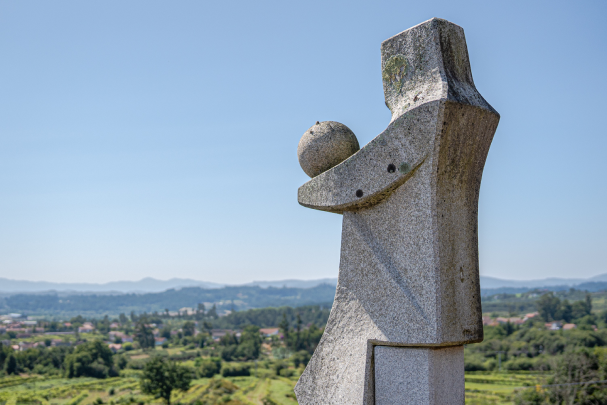
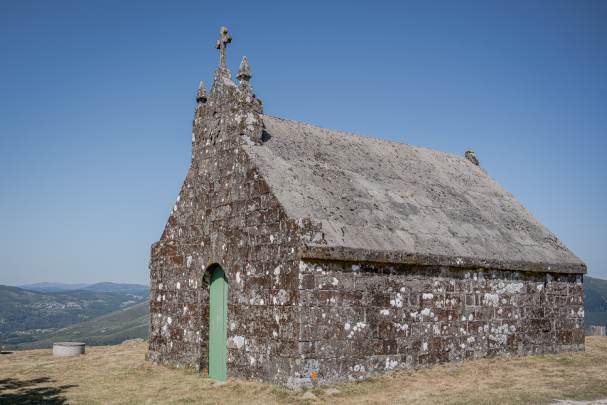
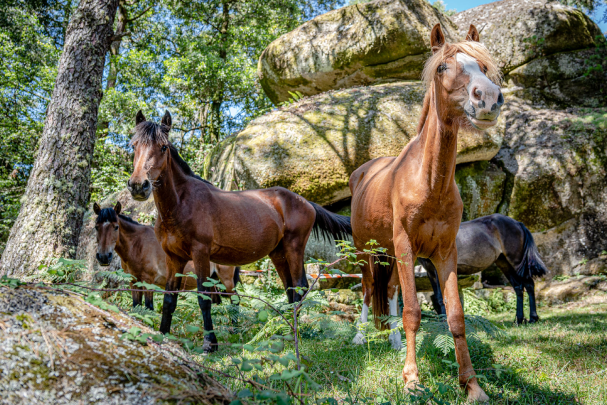
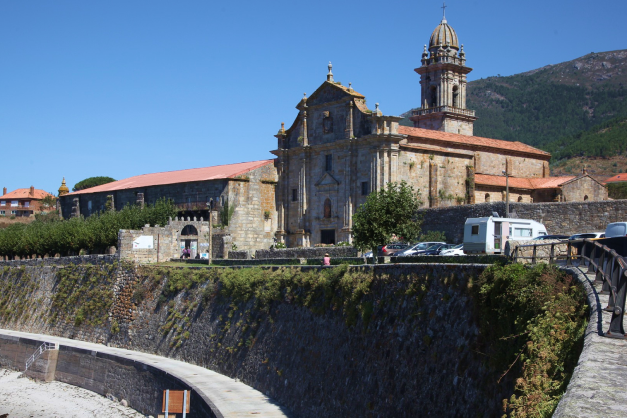
Between Baiona and A Guarda, Oia combines a mountainous coastline where wild horses graze freely. The Monastery of Santa María la Real, from the 12th century with a Baroque façade, is one of the town’s most emblematic monuments. Rural traditions remain alive with the cultivation of maize, cattle farming, and the horses of Monte de A Groba, symbols of a unique heritage spanning centuries.
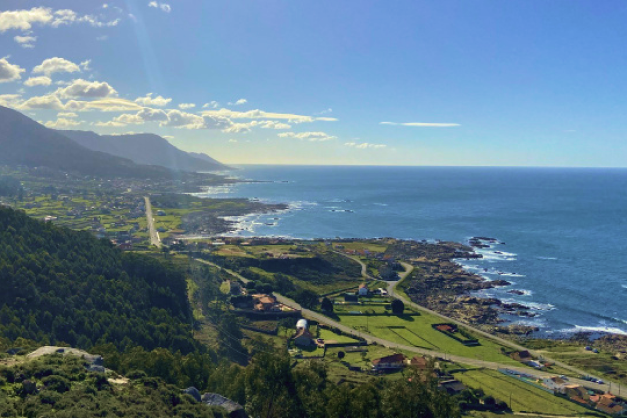
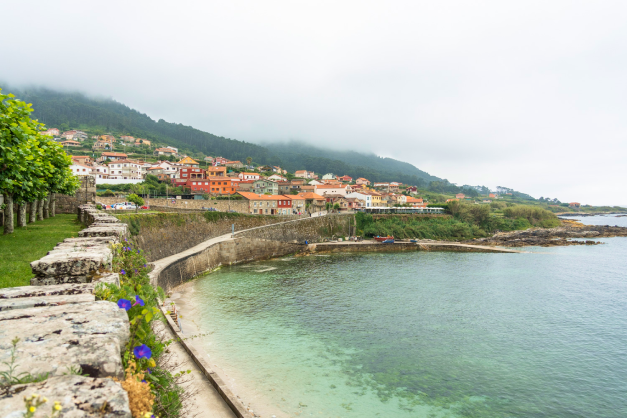
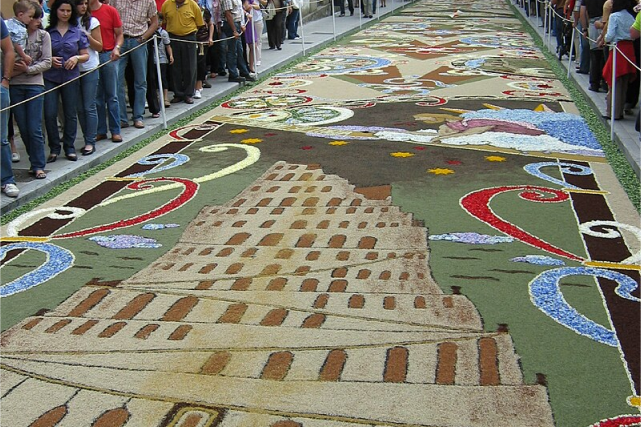
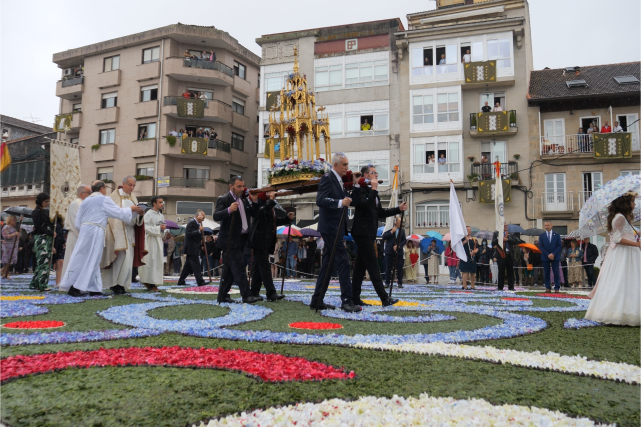
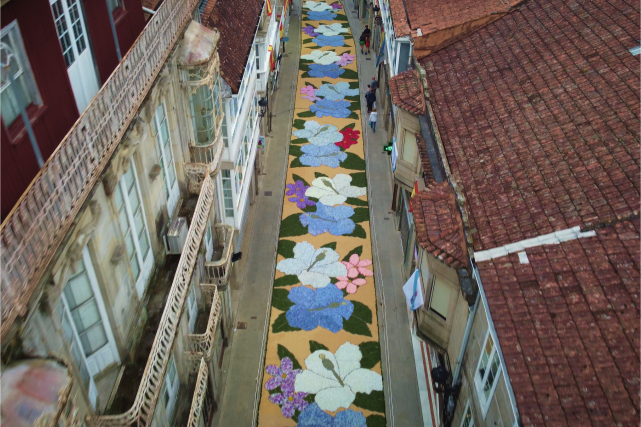
Ponteareas is famous for Corpus Christi, one of Galicia’s most emblematic festivals, known for its floral carpets and unique processions. Between rivers, squares, and historic streets, the town blends heritage, living culture, and green spaces, offering authentic experiences for those seeking tradition and outdoor leisure.
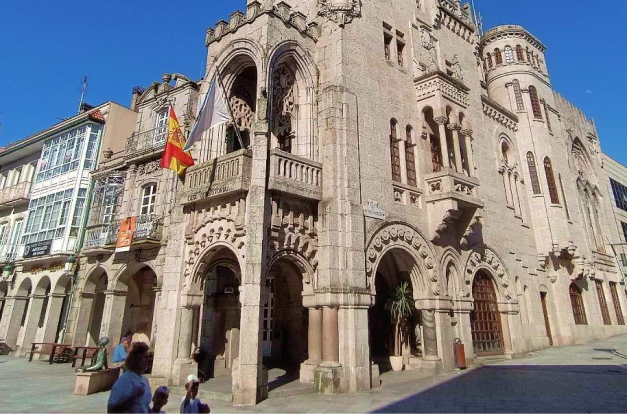
O Porriño is known for its ceramics and marble industry, which shapes the town’s identity. Among historic streets and monuments, the city combines heritage, local gastronomy, and popular festivals, providing an authentic experience of Galician culture. It is also notable for the legacy of architect Antonio Palacios, a native of the town and renowned in Spain for his emblematic works, which continue to influence architecture and the region’s cultural identity.
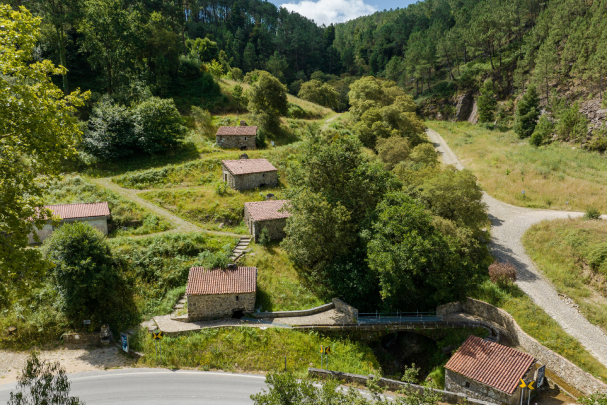
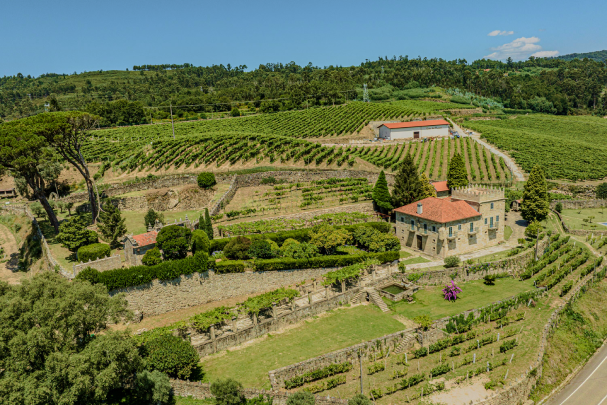
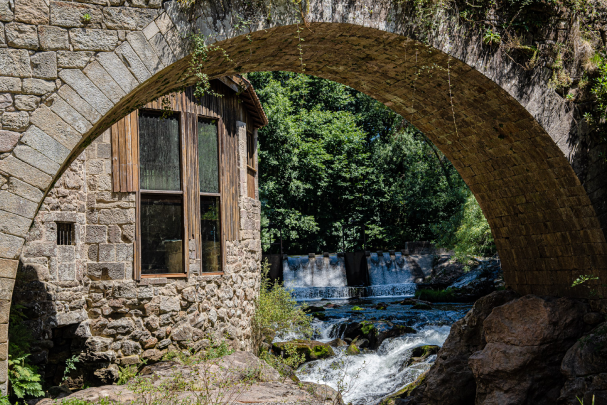
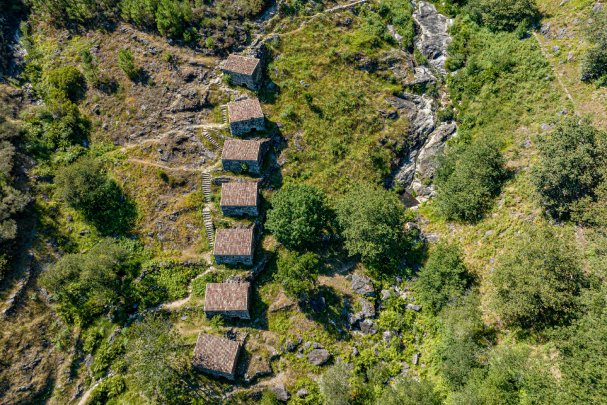
In O Rosal, centuries-old vineyards and typical villages coexist with viewpoints over the Minho River, creating authentic Galician experiences. The region is also known for mirabelle plums, a distinctive fruit that finds unique growing conditions here. Traditional agriculture, walking trails through forests and fields, local gastronomy, festivals, and architectural heritage enrich the area. Among the most notable routes is the Folón and Picón Mills Route, a charming itinerary that allows visitors to discover the region’s nature and historical heritage.
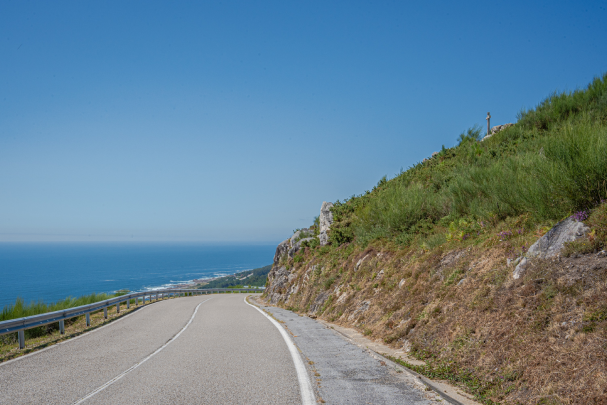
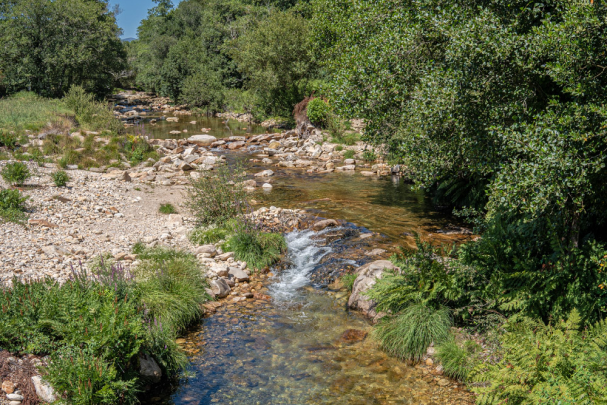
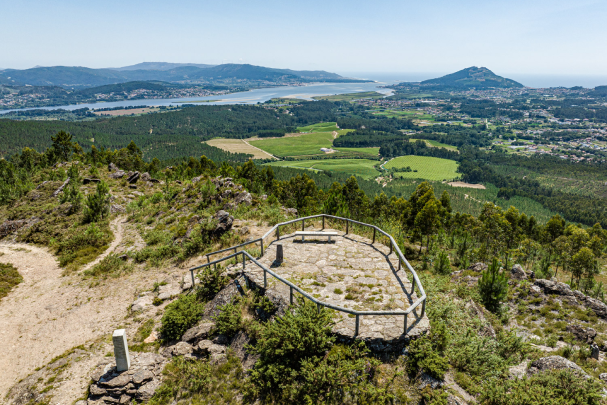
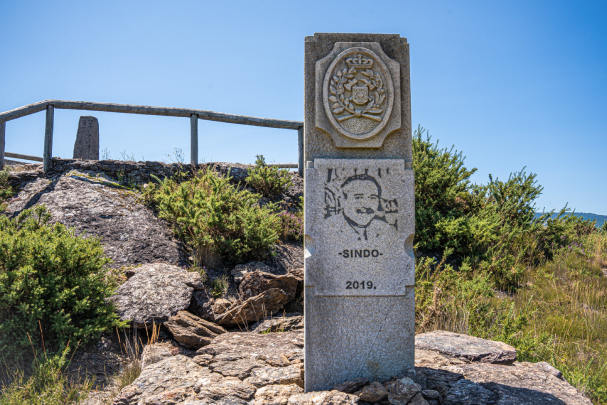
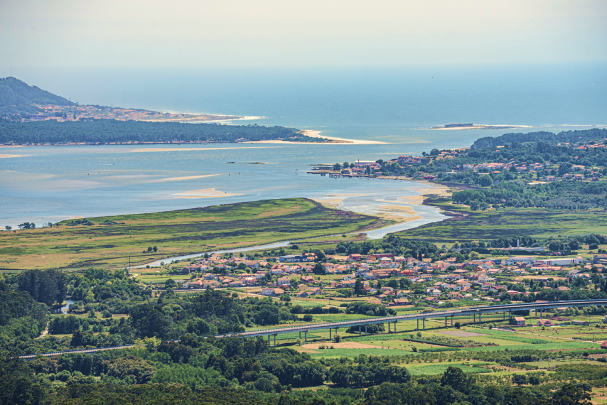
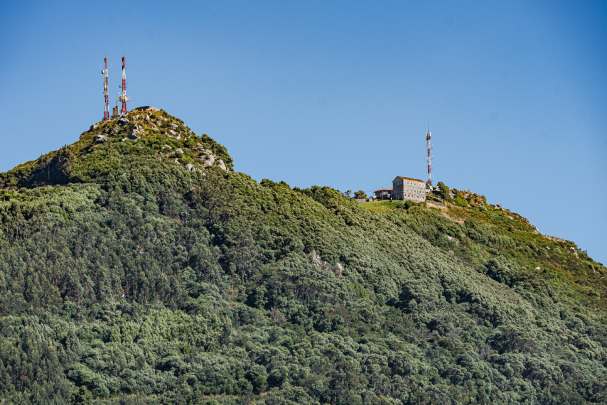
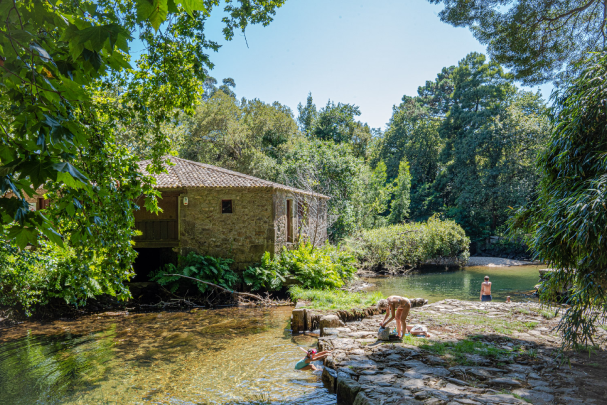
Set among hills and rivers, Salceda de Caselas stands out for the Gándaras de Budiño trails and its panoramic viewpoints. The tradition of Ranchos de Reis, winter folk celebrations, gives the town a unique cultural identity. The region is rich in religious and architectural heritage, with churches and small squares preserving Galician authenticity, in a setting where nature and culture walk hand in hand.
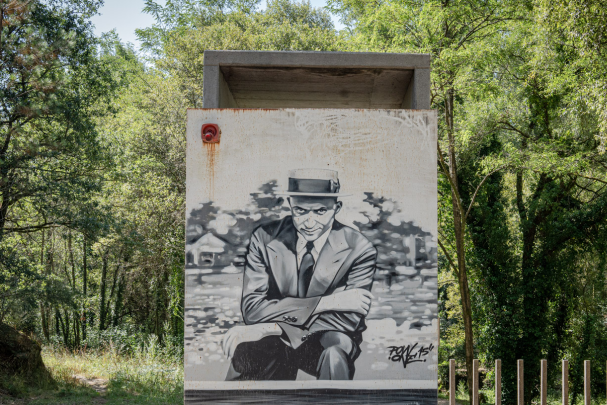
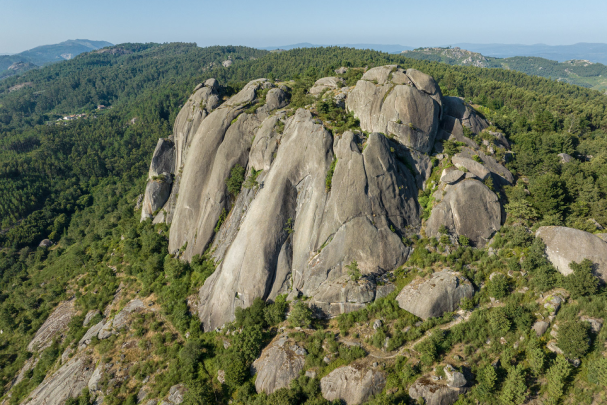
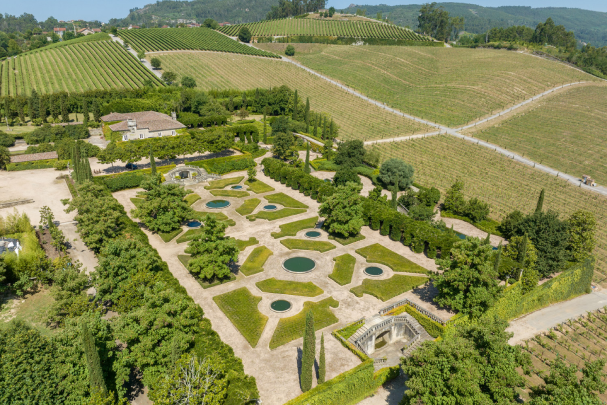
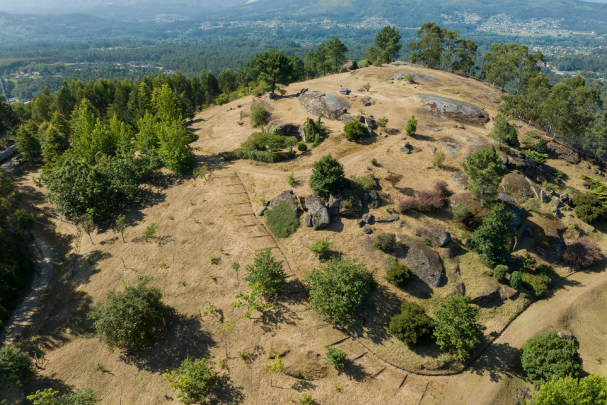
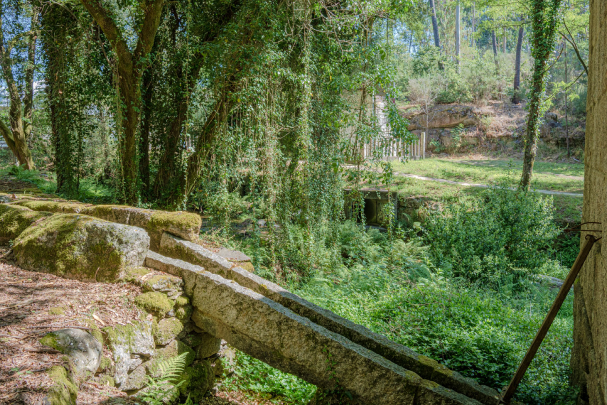
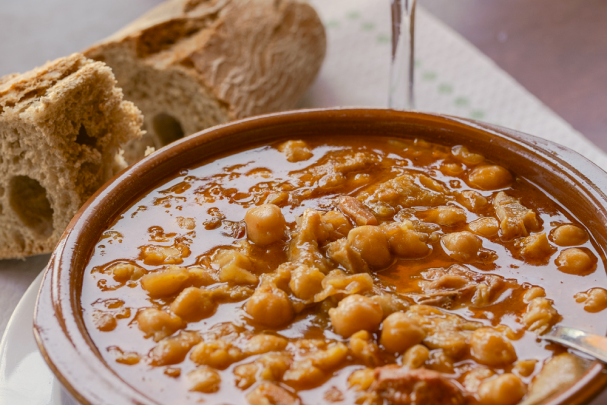
Salvaterra de Miño enchants with castles, ancient churches, and riverbanks offering peaceful and cultural landscapes. Recognized for its winemaking tradition, it hosts the prestigious Condado do Tea Wine Festival, a tourism-focused event. Visitors can explore historic centers, participate in traditional festivals, and discover riverside trails, making it an ideal destination for combining history, heritage, and nature.
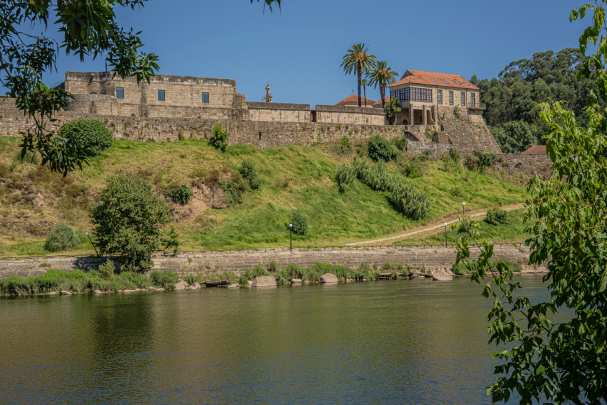
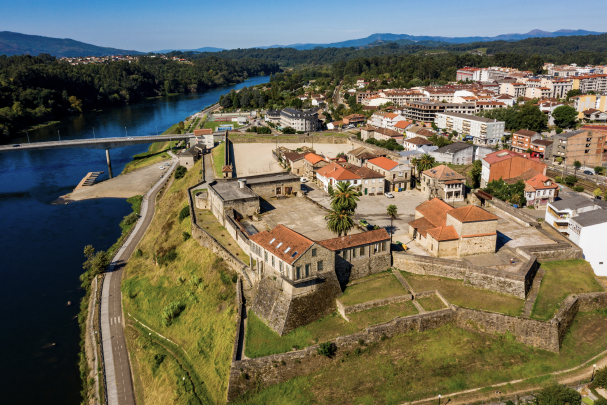
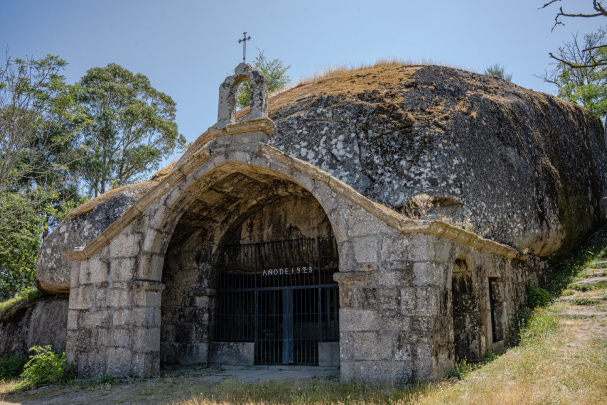
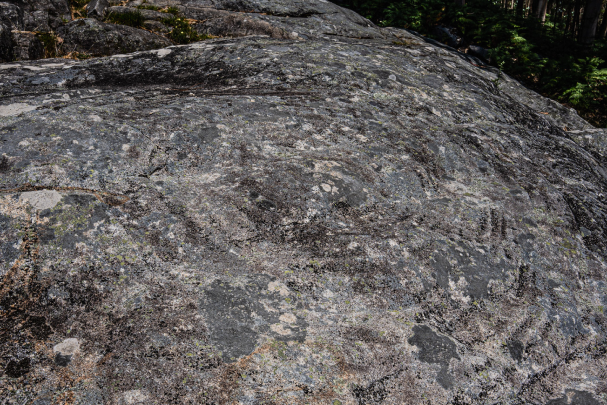
Situated on the banks of the Minho River, the municipality of Tomiño is distinguished by its two main towns, each with its own character. Goián, closer to the river, houses the recently restored Fortaleza de Goián and offers direct contact with the riverside landscape. The region is also known for horticultural production and numerous plant nurseries, celebrated annually at the Baixo Miño Cultivation Fair. Beyond nature and outdoor activities, Tomiño preserves unique archaeological vestiges, such as petroglyphs, attesting to human presence since ancient times. Local traditions remain alive in festivals and gastronomy, completing an authentic rural Galician experience.
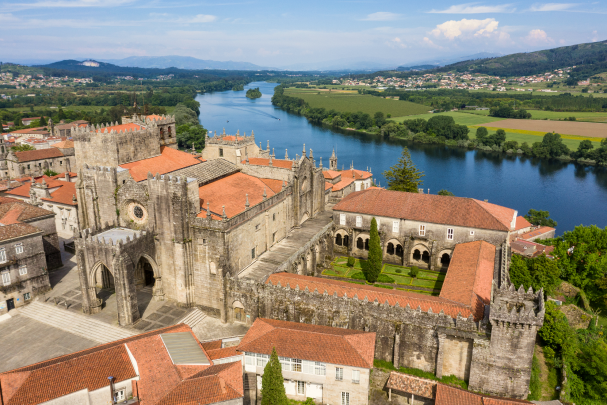
With medieval streets and an imposing Romanesque cathedral, Tui is a historic city serving as a bridge between Galicia and Portugal. The town preserves its old center with squares, walls, and emblematic monuments, including traces of Jewish heritage. Tui is also a stage of the Camino de Santiago and maintains ecclesiastical importance as an episcopal seat, sharing the diocese with Vigo. Historically, it was one of the seven provinces of the former Kingdom of Galicia.